Give Before You Ask
Nov 03, 2026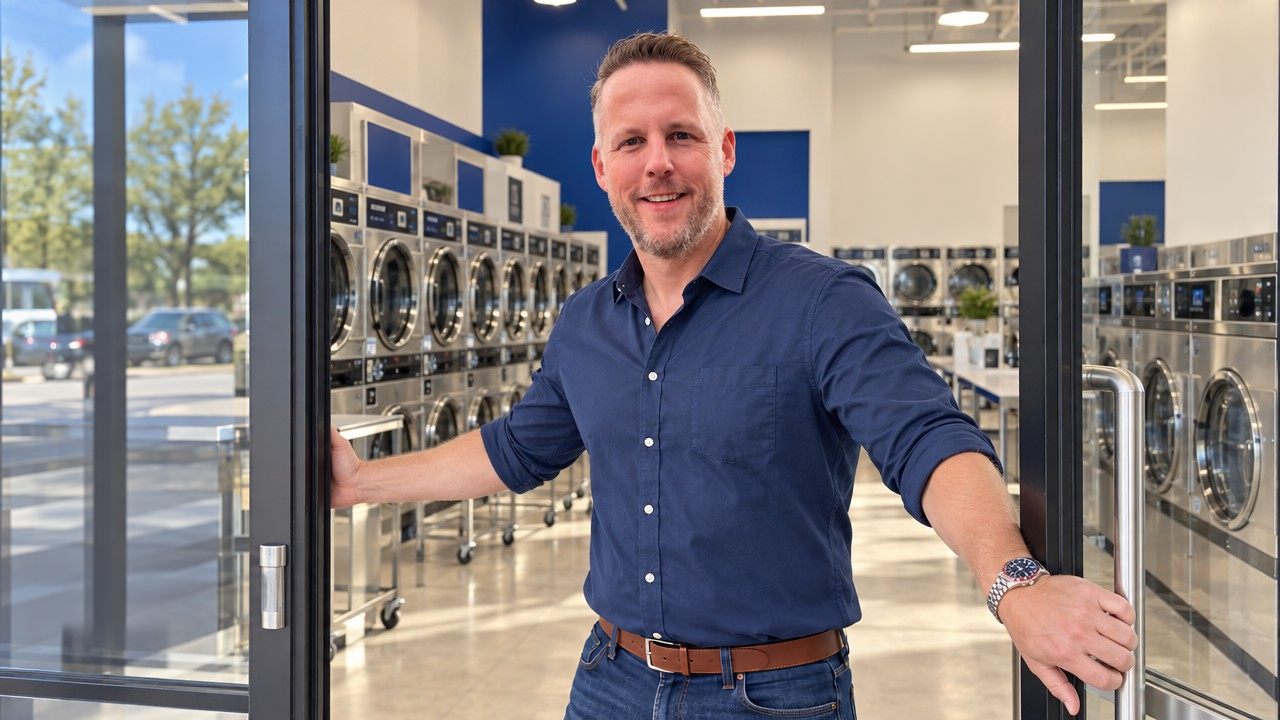
Give Before You Ask
Why I could not, and would not, raise prices if my stores were average, where every extra quarter actually goes, and what happens when your track record walks into the bank before you do.
Key takeaways
- Regular price increases only work when customers can see and feel what they're paying for.
- Make the improvements first, then raise the prices.
- Our increases fund raises, rising costs, a rainy day fund, and future equipment and renovations.
- After four years of quarters, every washer earns $1 more per turn, more than $11,000 a month across our stores.
- A steady record of growing revenue and profit makes banks easy to work with.
The Feature
For three weeks, I've been telling you to raise your prices. Today I need to tell you when not to.
If my stores were average laundromats, I could not raise prices every year. And frankly, I would not.
You know the kind of store I mean. Old machines. Little to no staff. Hot in the summer, cold in the winter, with fluorescent bulbs flickering overhead. If that's your store, a price increase isn't a strategy. It's an invitation for your customers to go find something better.
You have to give before you ask from your customer.
Customers can feel it when a business only takes. If they feel like all you do is take, take, take, they'll go somewhere else. You have to give them an experience, and the feeling that you're giving to them.
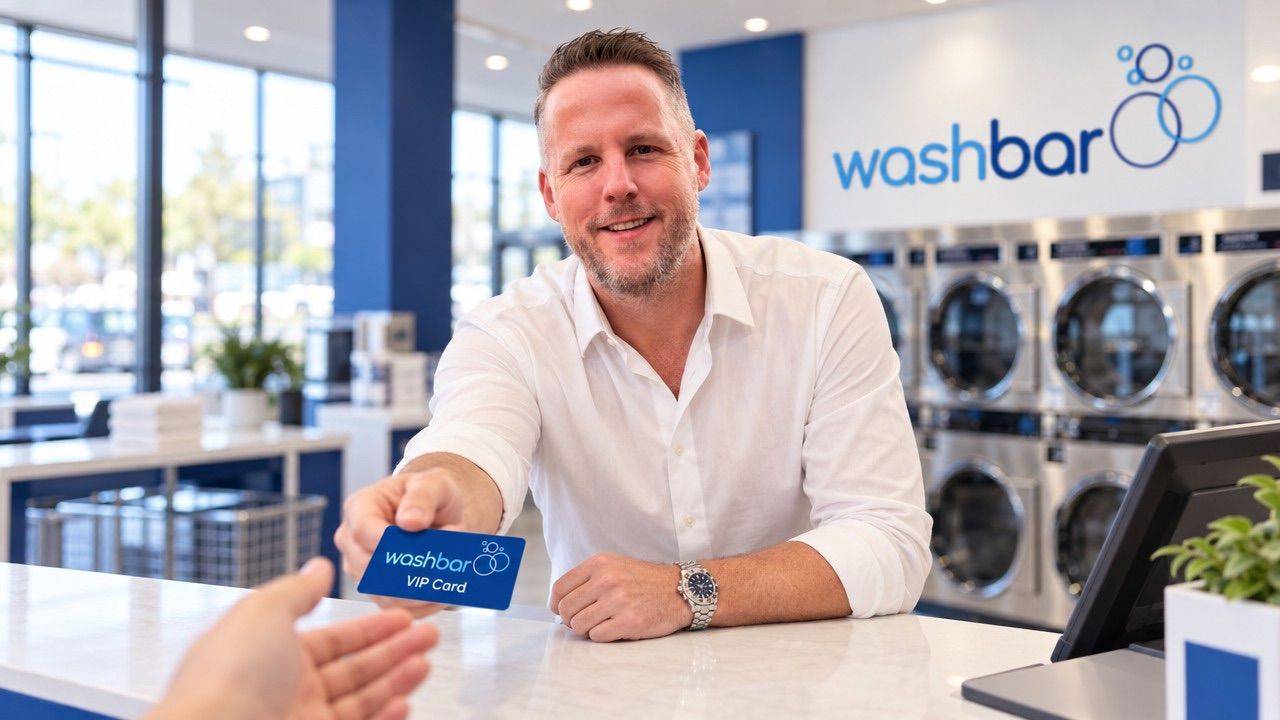
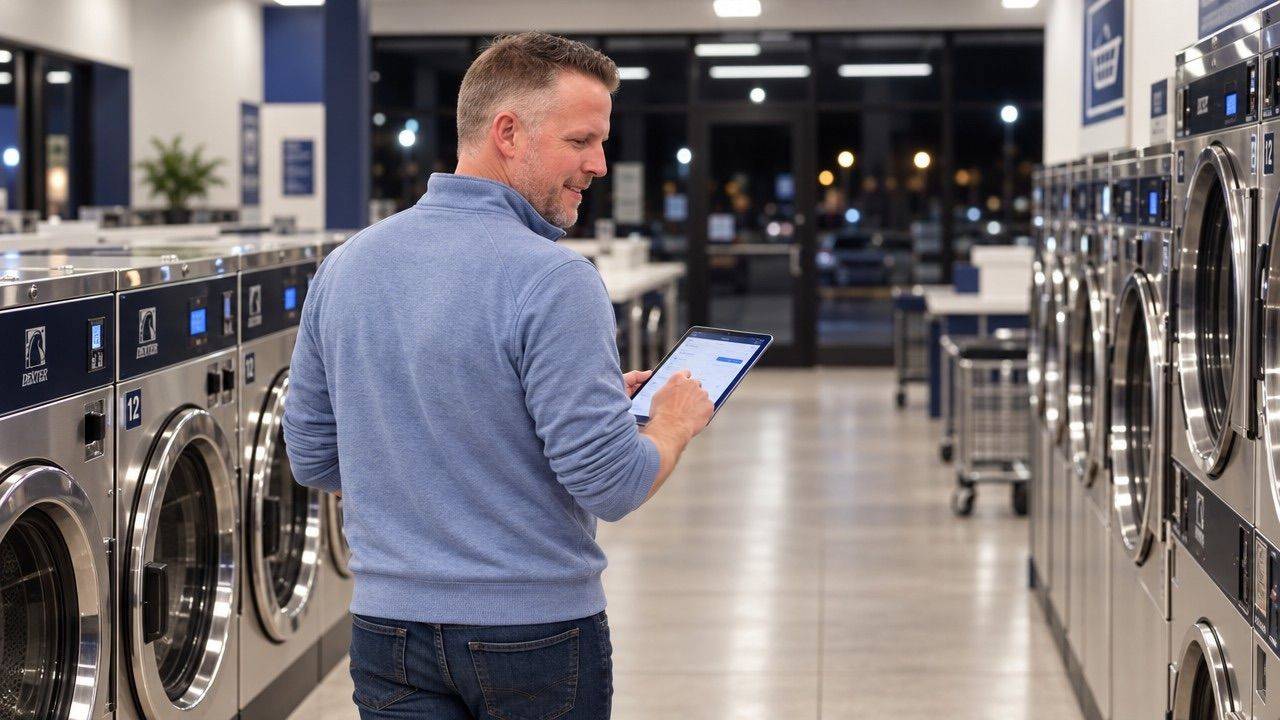
Here's what our customers get when they walk into a Wash Bar. Every store is fully staffed. The AC stays at a comfortable 71 degrees. Our water is ozone infused. The stores are spotless, and the machines are new. And there's always a friendly face behind the counter.
That's why, when someone tells us we're about a dollar higher than the place down the road, our attendants don't apologize. They just point around the room.
If they feel like all you do is take, take, take, they'll go somewhere else.
Improvements first. Prices second.
If you're thinking about raising prices to improve your business, here's the most important thing I can tell you. Do it in the right order.
Make the improvements first, then raise the prices.
If you raise prices first, your customers aren't going to know why. All they see is a higher number on the same tired store, so they go looking for a better experience. Make the improvements first, and the new price makes sense the moment they walk in.
That takes sacrifice. You'll spend money before you make it back. But as business owners, that's our job. We make sacrifices to improve our businesses and the livelihood of the people who depend on them.
Where every quarter actually goes
People sometimes assume a price increase is just more money in the owner's pocket. Here's where ours actually goes.
It covers our team's raises. It covers the rising cost of doing business: insurance, utilities, taxes, and rent. It keeps our rainy day fund full. And it lets us plan ahead to replace equipment, renovate, and repaint our walls every year, so each store stays the nicest laundromat in the towns we serve.
Most operators never set money aside to cover future expenses.
Since I built my first store about six years ago, the cost of washers and dryers has gone up more than 20%. If I were still charging the prices I charged back then, my machines would be wearing out, and I wouldn't be able to afford to replace them when the time came.
Charge yesterday's prices, and you'll be running yesterday's machines.
Here's what that looks like in my own stores. In 2025, the increase at our first store paid to replace the entire HVAC system, plus a floor scrubber. At our second store, it covered two new AC compressors.
Then in 2026, I was forced to replace the card system on every washer and dryer at a four-year-old store, because the original company couldn't keep the machines running. That was a $22,000 expense I never should have had to deal with. But the quarter helped soften the blow.
A quarter today is a new HVAC system tomorrow.
Four years in, every washer in our stores earns $1 more per turn than it did when we started raising prices. Across our stores, that's more than $11,000 a month. Small, steady increases help the entire business grow and keep the healthy profit margins I like to maintain.
The banker who didn't ask for paperwork
There's one more benefit nobody talks about.
Last year, I bought a large, expensive piece of equipment. I wrote the check, then called my bank. I didn't fill out paperwork. I didn't sign a single document. By the end of the day, the high five figures needed to cover that check was in my account.
This isn't a brag. My bank sees my statements. They know my cash flow, and they've watched our revenue and profit grow every single year. When I ask for a loan, for Wash Bar or even personally, they've never given it a second thought.
Bankers don't lend to hope. They lend to trend lines.
With a track record of wise financial decisions, being a good steward of our businesses, and being known in our communities, financing our next laundromat build is the least of my worries.
When you have a history of success, the signs of it go before you and open the doors for future success.
What I'd tell myself the night before
In Part 1, I told you about the night before our very first increase, when I asked Hannah if we should really go through with it. If I could sit down across from myself at that table, here's what I'd say.
Don't worry. All the customers will be there tomorrow, this weekend, and next month. You're going to be blown away by how little of a deal this actually is.
You're making this a bigger deal than what it is.
Because you have a beautiful store, customers will understand that it takes more money to keep it up. To keep the AC on in the summer and the heat on in the winter. To always have a friendly face behind the counter. That's worth an extra $2 a month.
The foundation
"Give before you ask" isn't a marketing line for us. It's the foundation of everything we do at Wash Bar, and it comes straight from Luke 6:38: "Give, and it shall be given unto you."
We give our customers a better store. We give our team raises and a full paycheck when the weather shuts us down. And over and over, it's come back to us.
As you read this, our November 1 increase has been live for two days. Next spring, I'll look hard at whether moving it up two months, into our two busiest months of the year, made profits higher than expected.
From the Floor
The year I took the attendants away
I personally would never own a laundromat that wasn't attended. I learned that the hard way.
At our first store, I ran an experiment for 12 months. I moved our Wash and Fold and delivery service into a building next door, which left the laundromat itself unattended.
Within six weeks, self-serve revenue dropped by close to $5,000 a month. That was substantially more than the payroll I thought I was saving.
Then came the vandalism. I'd never dealt with it at that store before. Within three or four months, the LCD screens had been cut out of the majority of the washers. There was writing on my walls. I had 1-star Google reviews complaining that there was no one there to help. Homeless people started hanging around, customers reported panhandlers hassling them, and someone even stole a toilet seat.
Having a store attended generates enough revenue to more than cover the payroll.
So I hired new team members and made the store fully attended again. It took a couple of months, but we more than recovered all the lost revenue.
Then I wanted a more dramatic change. I painted every wall in the laundromat a new color and remodeled the front counter. It created a real buzz. Customers started talking about it on the community Facebook pages.
Now, almost a year later, revenue at that store is up 12%.
Give first, and customers will tell the whole town about it.
That's the whole series in one story. The store got better first. The customers noticed. The revenue followed.
Steal This
The Give-First Checklist
|
Part one: before you raise a single price, walk your store like a customer. Be honest with every answer. 1. Is there a friendly person behind the counter during your busiest hours? 2. Is the store comfortable year round, cool in the summer and warm in the winter? 3. Is the lighting bright, with no flickering bulbs? 4. Is every machine working, with no out-of-order signs? 5. Is the store spotless, from the floors to the bathroom? If any answer is no, fix that first. Then raise your prices. Part two: give every quarter a job. Decide where the increase goes before it ever hits your account. ✓ Team raises ✓ Rising costs: insurance, utilities, taxes, and rent ✓ Your rainy day fund ✓ Future equipment replacement, renovations, and fresh wall paint every year Part three: the whole series on one page. 1. Part 1, The Quarter I Was Scared Of: run the Quarter Test to see what one quarter is worth. 2. Part 2, Just Like Clockwork: set your date, your price ladder, and your night-before checklist. 3. Part 3, Do the Math for Them: train your team on the $2 conversation and the review reply. 4. Part 4, Give Before You Ask: improve first, give every quarter a job, and build a track record. |
Common Questions
What owners ask before raising prices
When should a laundromat not raise prices?
When the store isn't better than the competition. If your machines are old, the store isn't staffed, or it's uncomfortable inside, a price increase gives customers a reason to leave. Make the improvements first.
Should I improve my laundromat before raising prices?
Yes. If you raise prices first, customers won't know why and will look for a better experience. Improve first, so the new price makes sense the moment they walk in.
Where should laundromat price increase money go?
At Wash Bar, it funds team raises, rising costs like insurance, utilities, taxes, and rent, a rainy day fund, future equipment replacement and renovations, and a fresh coat of wall paint every year.
How much have laundromat equipment costs gone up?
In our experience, washers and dryers cost more than 20% more than they did when we built our first store about six years ago. Small yearly increases help you afford replacements when the time comes.
Do attended laundromats make more money than unattended ones?
In our experience, yes. When our first store went unattended, self-serve revenue fell close to $5,000 a month within six weeks, more than the payroll cost, and vandalism started. After we staffed it again and refreshed the store, revenue more than recovered and is now up 12%.
Do regular price increases help with bank financing?
They can. Steady growth in revenue and profit gives your bank a clear track record. Ours has been easy to work with because they can see our cash flow growing every year.
The Gap
You don't have to build this alone
Over these four weeks, I've shown you how we raise prices, how we handle the pushback, and why it only works when you give first. None of it happened overnight, and none of it happened alone.
That's what the Laundry Advisors community is built for. It's a group of owners who are actively growing and scaling, and who share what's actually working in their stores. Members get trainings, weekly video calls, and resources covering staffing and HR, marketing, SOPs, equipment mix, customer retention, and scaling to multiple locations.
If you want help deciding what to improve first, building your own pricing plan, or anything else holding your store back, let's get on a call. It's free, and you'll leave with a clearer plan either way.
Schedule your complimentary callThat's a wrap on The Quiet Raise. Thank you for reading along. A new series starts next week.
Stay connected with news and updates!
Join our mailing list to receive our weekly blog.
Don't worry, your information will not be shared.
We hate SPAM. We will never sell your information, for any reason.