Do The Math For Them
Oct 27, 2026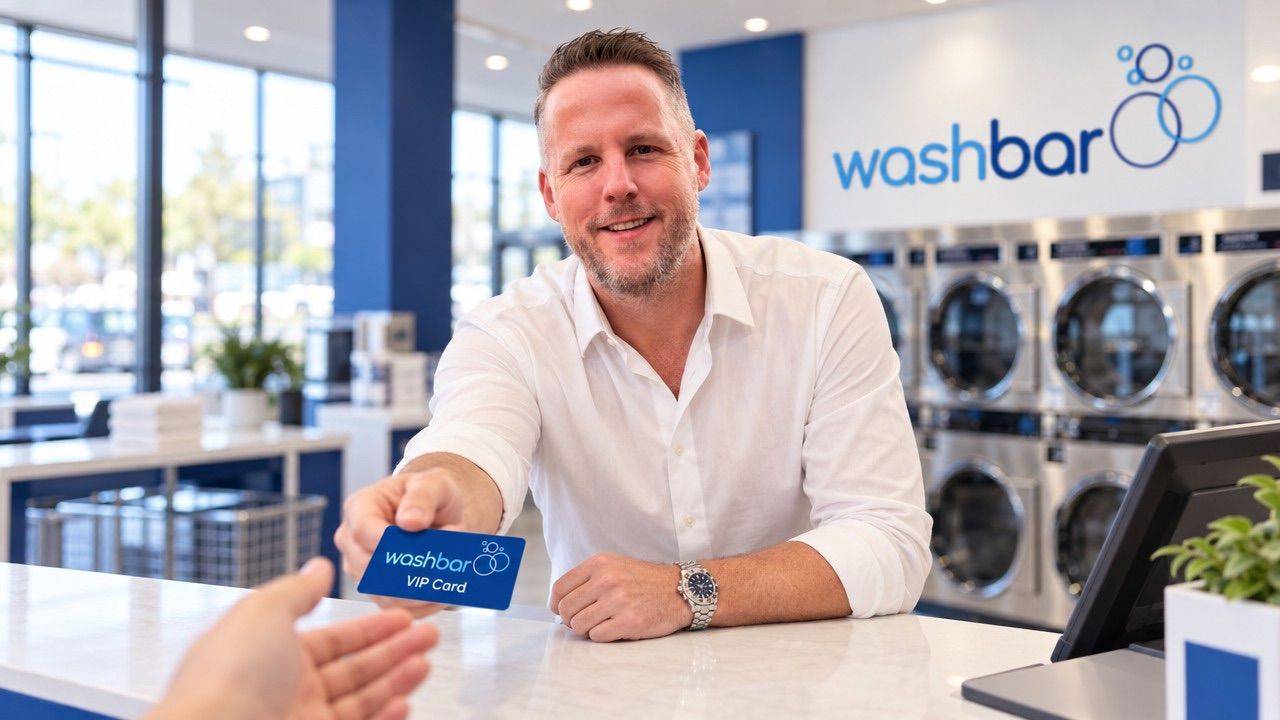
Do the Math for Them
How customers actually respond after a price increase, the exact words we use when someone complains, and the math that ends the argument.
Key takeaways
- After a price increase, one or at most two customers per store say they're leaving, and at most about one per store actually does.
- For a typical single customer, a 25 cent increase costs about $2 a month. For a family of four, about $4.
- Answer every price complaint, at the counter or online, calmly and with the math.
- Most customers never use the VIP card. Those who do trade a small discount for contact details that power automated marketing.
- Losing one customer costs about $28 a month. The increase brings in thousands.
The Feature
Every owner who has ever thought about raising prices has pictured the same thing. You flip the switch, and the next morning your parking lot is empty.
I pictured it too. So let me tell you what actually happens.
After a price increase, we usually hear from one, or at most, two customers per store who say they're leaving. They tell an attendant. Sometimes they leave a review.
Then almost none of them actually go. At most, we lose about one customer per store over price.
9 out of 10 times, you're going to keep the customer.
Why the first reaction is so loud
A price increase hits people in the gut before it ever reaches their head. Someone sees the new price on the screen, feels like they're being taken advantage of, and says something in the heat of the moment.
Customers make knee-jerk reactions. They don't think clearly.
That isn't a character flaw. It's just how people react to change, especially when money is tight. But it means somebody in that conversation has to stay calm, and it can't be the customer.
Our job as laundromat owners is to be the rational one.
Our job is to educate and inform. Not to argue, not to apologize, and not to panic.
A quarter sounds big. Two dollars sounds small.
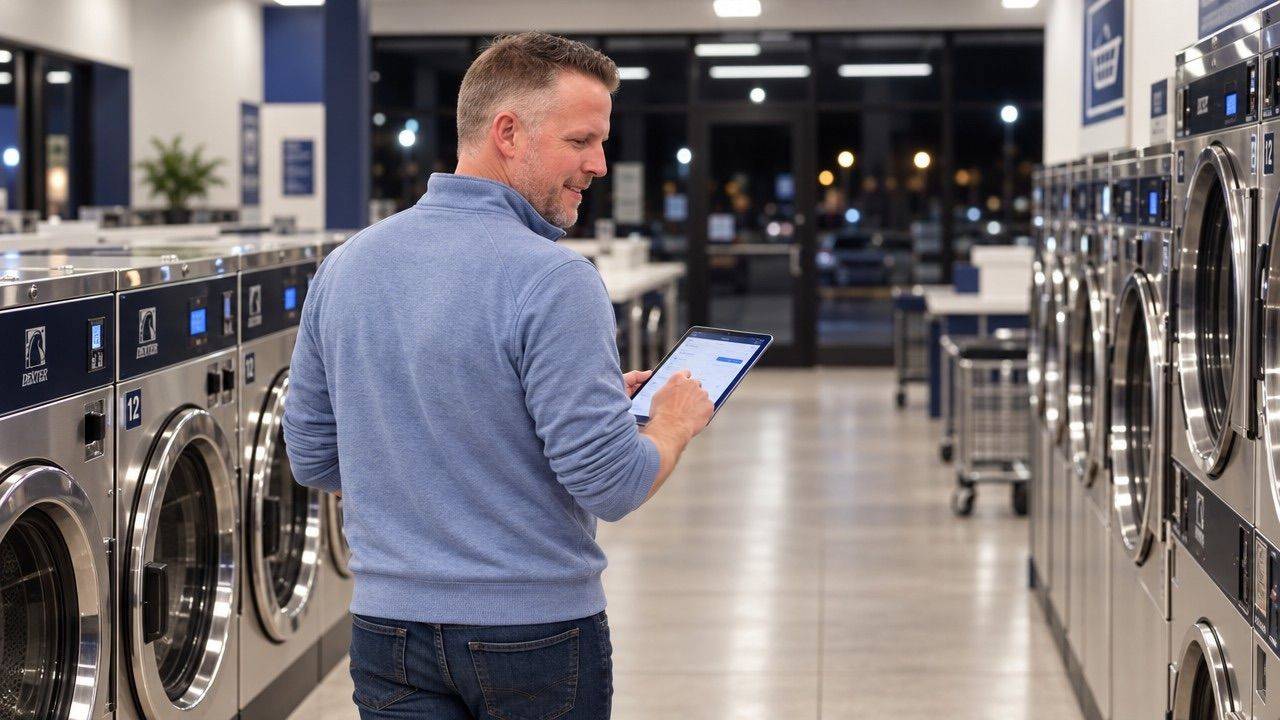
Here's the tool that does most of the work for us. Our card system shows exactly how our customers wash, and the average single customer at Wash Bar uses one washer and one dryer a week.
Raise both by a quarter, and that customer pays 50 cents more a week. That's about $2 a month.
A family of four usually runs two washers and two dryers. For them, it's a dollar a week, or about $4 a month.
A quarter sounds like a lot. Two dollars a month sounds like nothing.
Most people never stop to do that math. They just see a bigger number on the screen. So we do it for them.
When you do the math for people, it lets them realize how ridiculous their thoughts are about the price increase.
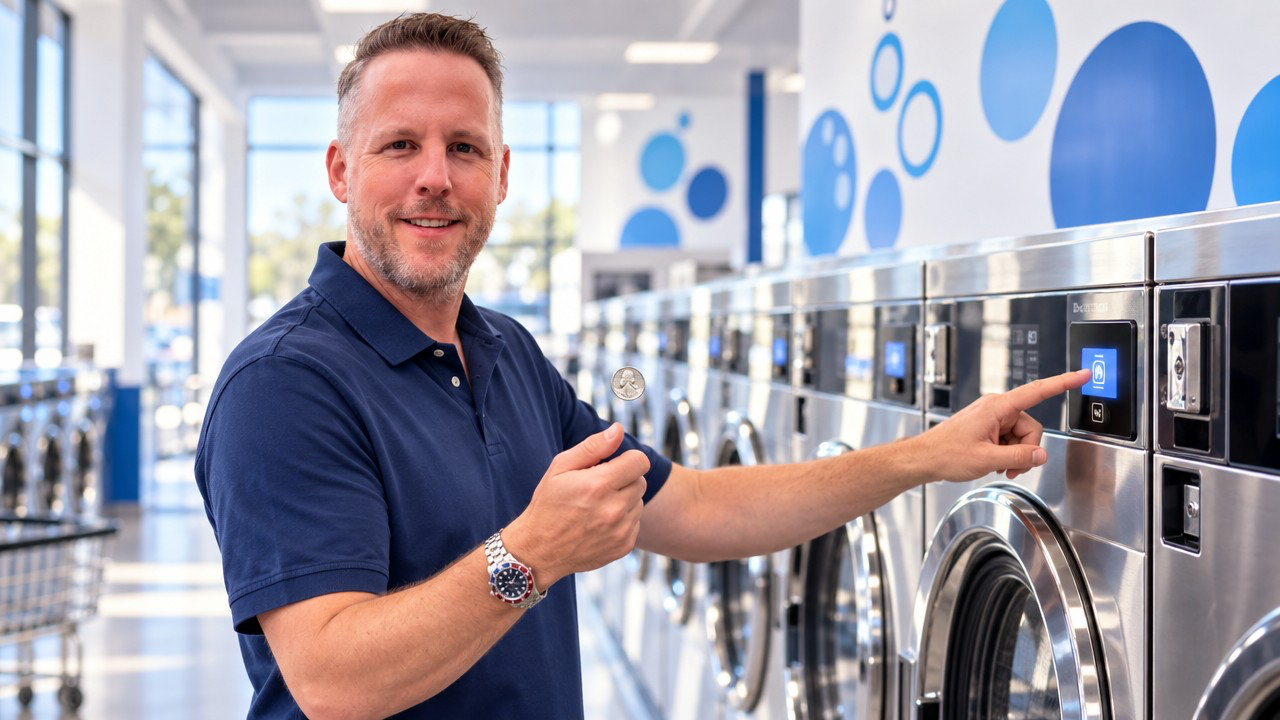
Then we give them a way to win. If $2 a month really is too much, we want them to tell us. And if they sign up for our free VIP card and load $20, they get $2 right back. That covers the increase on the spot. They also earn points every time they use a machine, which they can trade in for free dryers.
"Aren't you just giving it all back?"
Some owners hear about our VIP card and think I'm handing back the same money I just raised prices to earn. I don't look at it that way.
First, most people never take us up on it. Even when we show them exactly how to save money, the majority never sign up. That still blows my mind.
But the customers who do sign up are my favorites. Yes, I'm not making that extra $2 or more a month from them. In my opinion, I'm getting something better.
I'm not making that extra $2 a month on them. I'm getting something better.
When someone joins, I get their email, their mobile number, their address, and their birthday. I can see how often they visit and exactly how they spend with us.
That turns into well-timed, automated emails and text messages. Specials on the days they usually come in. An invitation to try our Wash and Fold service. A link to our pickup and delivery app. A free wash and dry on their birthday. A free comforter cleaning with Wash and Fold every year on the anniversary of their first visit.
See where I'm going with this?
No matter what happens, I win.
None of that happened by accident. It's been strategic from the start.
What about the online reviews?
Every so often, somebody posts a review about our prices. Plenty of owners lose sleep over that.
I'm never worried about a review if someone complains about price.
I respond to every one, and I do it quickly. I point out that the cost of doing business goes up, just like it does at their house. I remind them it's only 25 cents. And I do the math for them, right there in the reply.
Here's why that matters. The person who left the review is only part of the audience. Every future customer who reads it will also read my answer. A calm reply with real numbers tells them everything they need to know about how we run our stores.
The ones who still leave
Some people will leave anyway. That's okay.
If someone will drive across town to save a quarter, they're shopping on price alone. And if you're running a store that's clean, staffed, and comfortable, a price shopper was never going to be your best customer.
Price shoppers are not your ideal customer.
I'd honestly rather they go to my competitor. Every customer who leaves over a quarter makes room for one who values what we offer, and who will more than likely spend a lot more with me.
I'd rather have them leave and go to my competitor to open up the door for a higher quality person.
One important caution. All of this assumes you're giving customers something worth paying for. If your store isn't better than the one down the road, this conversation goes very differently. That's exactly what we'll talk about in Part 4.
The math that ends the argument
Let's say the worst happens and you lose one regular customer at each of three stores.
At our current prices, a customer who runs one washer and one dryer a week spends about $28 a month with us. Lose three of them, and that's about $85 a month.
Now put that next to what the increase brings in. Across our three stores, one quarter on every washer and dryer adds $5,850 a month.
Losing one customer costs you about $28 a month. Keeping the increase earns you thousands.
It isn't even close. And remember, most of the people who say they're leaving never do.
From the Floor
"I'm never coming back"
Here's how it usually plays out at our counters.
A regular comes in the first week after the increase, notices the new price, and tells the attendant they're done. They're going somewhere cheaper.
Our attendant doesn't flinch, and doesn't apologize. They explain that it's only 25 cents a cycle, which for most people works out to about $2 a month. They mention that our gas and electric went up this year, just like the customer's did. And they offer the VIP card, where loading $20 puts $2 right back in their pocket.
Most of the time, the customer calms down right there. Sometimes they sign up for the card on the spot. And the next week, more often than not, they're back at the same washer like nothing happened.
Emotion asks the question. Math answers it.
Our attendants are good at this because they understand it. As I shared in Part 2, they know their raises come from these increases. They aren't defending my prices. They're defending their paychecks, and the store they're proud of.
Steal This
The Two-Dollar Playbook
|
Part one: build your math card. Every attendant should know these numbers by heart.
To build your own, add up the increase on one wash and one dry, multiply by how many loads a typical customer runs each week, then multiply by 4. Part two: the counter answer. Keep it short, calm, and friendly.
Part three: the review reply. Answer every price review, and answer it the same day.
Part four: the worry check. Before you lose sleep over one angry customer, run this. 1. Find what one regular customer spends in a month. 2. Multiply it by the number of customers you think you might lose. 3. Compare that to what your increase brings in each month. |
Common Questions
What owners ask about price increase complaints
Will customers leave if I raise laundromat prices?
A few will say so, and very few will actually go. At Wash Bar, one or two customers per store say they're leaving after an increase, and at most about one per store follows through.
How should I respond to a customer who's upset about a price increase?
Stay calm, don't apologize, and do the math for them. Twenty-five cents a cycle is about $2 a month for someone who runs one washer and one dryer a week. Mention that your costs went up too, and offer a loyalty card that covers the difference.
How should I reply to a negative review about laundromat prices?
Respond quickly and calmly. Explain that your costs went up, give the monthly math, and offer a way to save. Future customers will read your reply, not just the review.
How much does a 25 cent increase cost the average laundromat customer?
At Wash Bar, the average single customer runs one washer and one dryer a week, so a quarter on each costs about $2 a month. A family of four running two of each pays about $4 a month.
Is a price increase worth losing customers over?
Run the numbers. At our prices, a regular who uses one washer and one dryer a week spends about $28 a month. Losing three costs about $85 a month, while one quarter on every machine across our three stores adds $5,850 a month.
Doesn't a laundromat loyalty card give away the price increase?
Not the way we run it. Most customers never sign up, even when we show them how to save. The ones who do give us their email, phone number, birthday, and visit history, which we turn into automated texts and emails that bring them back more often and introduce them to services like Wash and Fold and pickup and delivery.
The Gap
You don't have to figure this out alone
The hardest part of a price increase isn't the math. It's the first angry customer, or the first one-star review, when you're standing there alone wondering if you just made a huge mistake.
That's what the Laundry Advisors community is for. It's a group of owners who are actively growing and scaling, and who have already been through the conversations you're worried about. Members get trainings, weekly video calls, and resources covering staffing and HR, marketing, SOPs, equipment mix, customer retention, and scaling to multiple locations.
Inside our Growth Mastermind, we walk through exactly how we turn a VIP card sign-up into automated emails and texts, from birthday washes to anniversary comforter cleanings, so every member can build the same system in their own stores.
If you want help preparing your team for your next increase, or anything else holding your store back, let's get on a call. It's free, and you'll leave with a clearer plan either way.
Schedule your complimentary callNext week in Part 4, the series finale: why I could not, and would not, raise prices if my stores were average, where the extra money actually goes, and what my banker thinks when he sees the numbers.
Stay connected with news and updates!
Join our mailing list to receive our weekly blog.
Don't worry, your information will not be shared.
We hate SPAM. We will never sell your information, for any reason.