The Store That Was Too Nice
Aug 18, 2026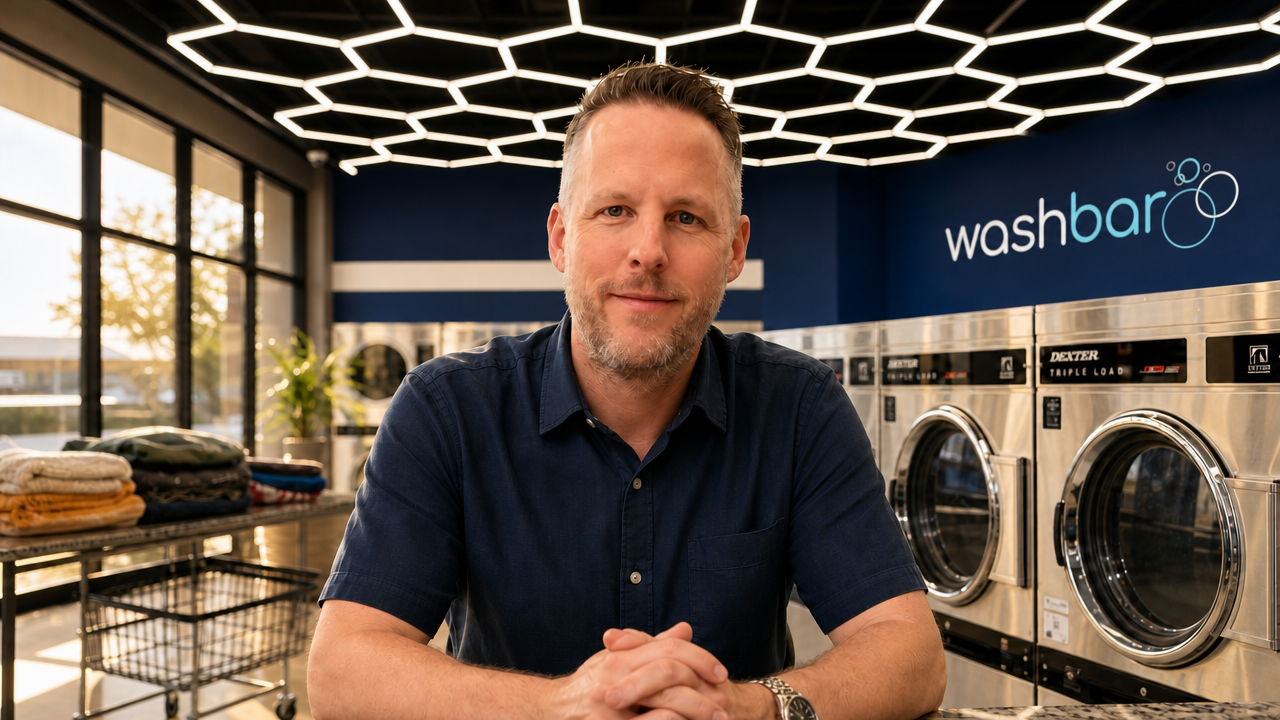
The Store That Was Too Nice
Modern and clean or warm and cozy? The answer was never about your taste. It is about the person walking through your door.
There is a laundromat about a mile down the road from one of our stores. It is what our industry calls a ZombieMat. Unattended. Thirty year old equipment. No air conditioning. The owners stop by once a week to collect the quarters, and the rest of the week the store just runs itself. On hundred degree days, the front door is propped open with a rock.
And on Sunday afternoons, there were always cars out front.
I know because I used to drive by it on purpose. My store down the road was brand new. We had pushed the envelope harder than I had ever pushed it, big impressive lighting, high end finishes, details nobody in the laundry business was doing. The store got written up in magazines. And we were busy, four to five times busier than that ZombieMat ever was.
But that was exactly what bothered me. It should not have been four to five times. With everything we offered a mile away, it did not make sense to me that anyone was in that building at all. Who looks at a brand new, attended, air conditioned store and drives past it to a thirty year old box with a rock in the door?
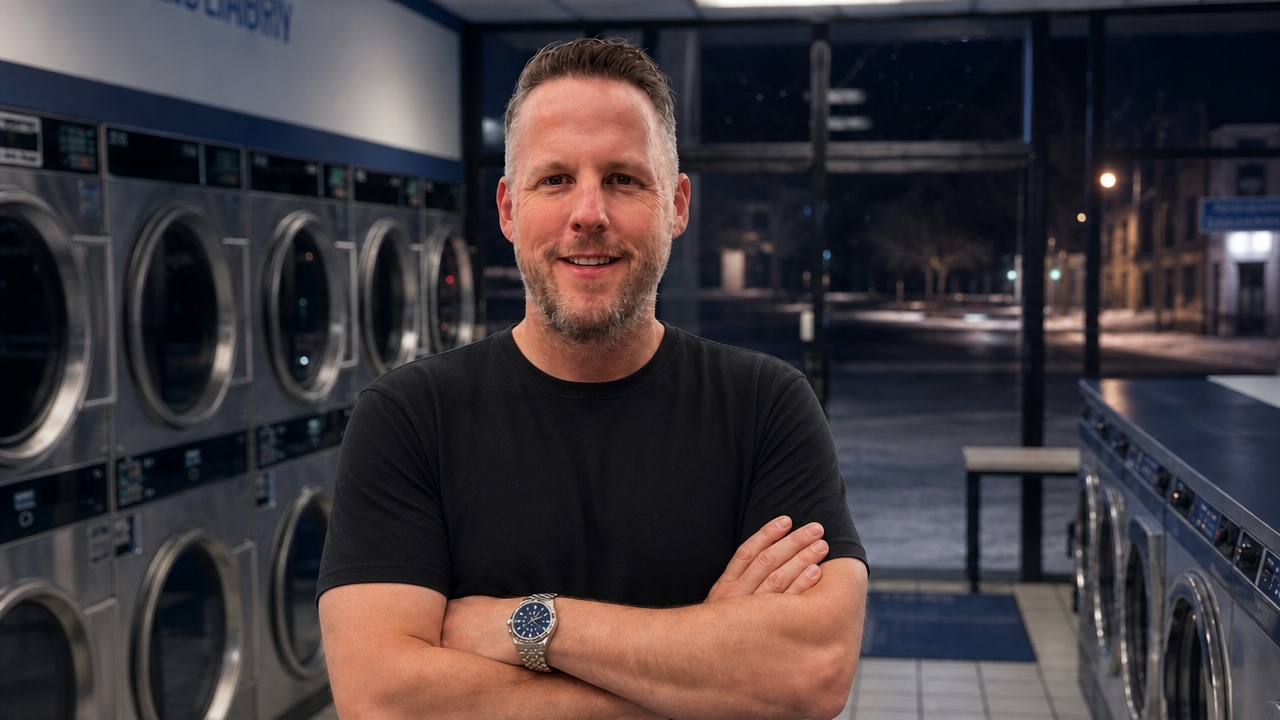
That did not add up, so I did what I always do. I went and sat in it.
Over a few weeks I visited that competitor multiple times. Nobody knew who I was. And when the moment felt right, I would ask people a simple question. Why not the new store down the road?
The answer came back more than once, from different people, on different days, and it changed how I think about design forever.
The store was so nice, they did not feel comfortable there.
Sit with that. I had not underinvested. I had overinvested. The town this store serves is one of the poorest in our area, with an average household income around eighteen thousand dollars a year. Many of our customers were coming from housing in rough shape, and they walked into a space so bright and polished that they felt unworthy of standing in it.
Nobody tells you that in a design blog. Effort can repel people just as fast as neglect can.
So after about two years, I swallowed my pride. We took down the fancy lighting and put up standard LED. We pulled the store back toward the people it was built for. And within ninety to a hundred and twenty days, organically, no promotions, no price changes, business went up dramatically. The customers who had been driving past us to a ZombieMat finally felt like our door was for them too.
They felt unworthy of standing in it.
Last issue I told you the average owner puts zero effort into their space, and that is still true. But this issue is the other half of the lesson, the half I had to learn with my own money. The question is not how nice can I make it. The question is who is walking through my door, and what does the space need to say to them.
That is the real fork in the road every owner has to face, and it usually gets framed as two lanes. Modern and clean, or warm and cozy. Both can win. But you do not get to pick based on what you like. You pick based on who you serve, and here is what each lane is actually saying.
If you want to see the warm lane done right, skip the chains and walk into a good local coffee shop. I visit them in every town where we have stores and in every town where we vacation, and I have walked into hundreds. No two are the same, and that is the point. There is no single formula for warmth. But the good ones all made deliberate choices, and you can feel the intention the second the door closes behind you.
We chose the modern lane at Wash Bar, and we chose it because of our customers, not in spite of them. Walk our parking lots for an hour and you will understand the challenge. We serve every walk of life there is. We have customers who arrive dragging wagons that hold everything they own. In two of our towns, we have customers who show up on riding lawn mowers pulling wagons behind them, because that is the vehicle they have. And in the same hour, an Escalade or a Range Rover pulls in and a mom in athleisure carries in a seven hundred dollar white down comforter. Oilfield crews. Wind turbine techs. College students from the two college towns we operate in.
When your clientele is everybody, your colors have to work for everybody. That is exactly why we landed on bright white and our blue. It was the most universally accepted combination we tested, and six years later it has not dated a single day. If we had been in a strictly urban market or a business district, we might have gone more specific. We were not, so we did not.
But here is what surprises people, and it is the part most owners miss. Choosing the modern lane does not mean your store has to feel cold. The warmth in our stores does not come from beige paint. It comes from everything around the paint.
It comes from natural light. Every store we build has as many windows as we can get, because nothing warms a space like daylight. Our newest store has an eighteen foot glass garage door, and on nice days we roll it up and let the fresh air move through the building.
It comes from seating. We choose what I call airport lounge seating, a little lower to the ground, wider, with real support for your back and legs. And we are strategic about exactly how comfortable it is. Comfortable enough that waiting an hour feels fine. Not so comfortable that anyone wants to set up an office and camp from four o'clock until close on a Saturday. Every laundromat in America is busiest on the weekend, and your seating is quietly managing how that day flows.
Comfortable for an hour, wrong for an afternoon.
It comes from the details that say a human being thought about you. The signage, the brightness, the air moving through an open glass door.
Modern colors, warm execution. That is our lane, and it took a humbling lesson two years and one lighting teardown deep to fully understand it.
So before you buy a single gallon of paint, answer the real question. Not which lane do I like. Which lane does my customer need. Get that right and either direction can win. Get it wrong, and you can build the nicest store in the county and still watch some of your neighbors drive past you to a ZombieMat with a rock in the door.
Next issue, we get tactical. Blue, green, yellow, red, what each color actually does to a person standing in your store for ninety minutes, and which ones are quietly working against you.
Stand in one of our parking lots on a Saturday and watch for an hour. You might see a riding lawn mower pull in towing a wagon, park, and unload a family's laundry. Twenty feet away, a Range Rover, and a seven hundred dollar down comforter headed for a front loader.
Both of those customers walk through the same door, stand under the same lights, and sit in the same seats. Both of them need to feel like the store was built for them. That is the entire design challenge of this business in one parking lot, and it is why the answer is almost never the flashiest option. It is the one that makes the most people feel like they belong.
One sentence, written down: my store is modern and clean, or my store is warm and cozy. Every future decision, paint, seating, lighting, flooring, gets measured against that sentence. If you cannot write the sentence, you are not ready to spend money.
Visit three local coffee shops this month, not chains. Sit for twenty minutes in each. Write down what makes the space feel welcoming, the light, the seating, the colors, the sound. You are not copying a coffee shop. You are training your eye to see intention.
Your seating is not decoration, it is dwell time management. Aim for comfortable for an hour, wrong for an afternoon. If your seats invite laptops and homework till close, your busiest Saturday will feel like a waiting room with no seats.
Spend an hour where your customers cannot see the owner badge. Watch who hesitates at the door. Ask a few regulars what they would change. If your space is too plain, they will tell you. If it is too polished for your zip code, their silence at the door will tell you first. Match the store to the people, not to your pride.
The lesson in this issue cost me two years and a full lighting teardown to learn, because nobody in my market could tell me what my market needed. That is the entire reason Laundry Advisors exists.
Inside, members do not get generic design advice. They walk our stores, they bring their market's reality to the table, and they build a store identity that fits the people actually walking through their doors.
Laundry Advisors is application only, and there is a waitlist. We also protect our members: if your direct competitor is already in, you cannot join. What works in your market stays yours.
Max Capacity readers go to the front of the application line. If you are ready to build a store your customers feel at home in, this is where it starts.
Stay connected with news and updates!
Join our mailing list to receive our weekly blog.
Don't worry, your information will not be shared.
We hate SPAM. We will never sell your information, for any reason.