What To Do When Your Laundromat Growth Feels Stagnant
Dec 15, 2025
You built a business that runs, it pays the bills, maybe it even gives you wiggle room. But growth feels flat. If you’ve been grinding and the needle won’t move, this is the practical playbook to diagnose why, fix what matters, and push your store(s) forward, not just in revenue, but in reputation and community influence.
First: acknowledge the island feeling, then get off it
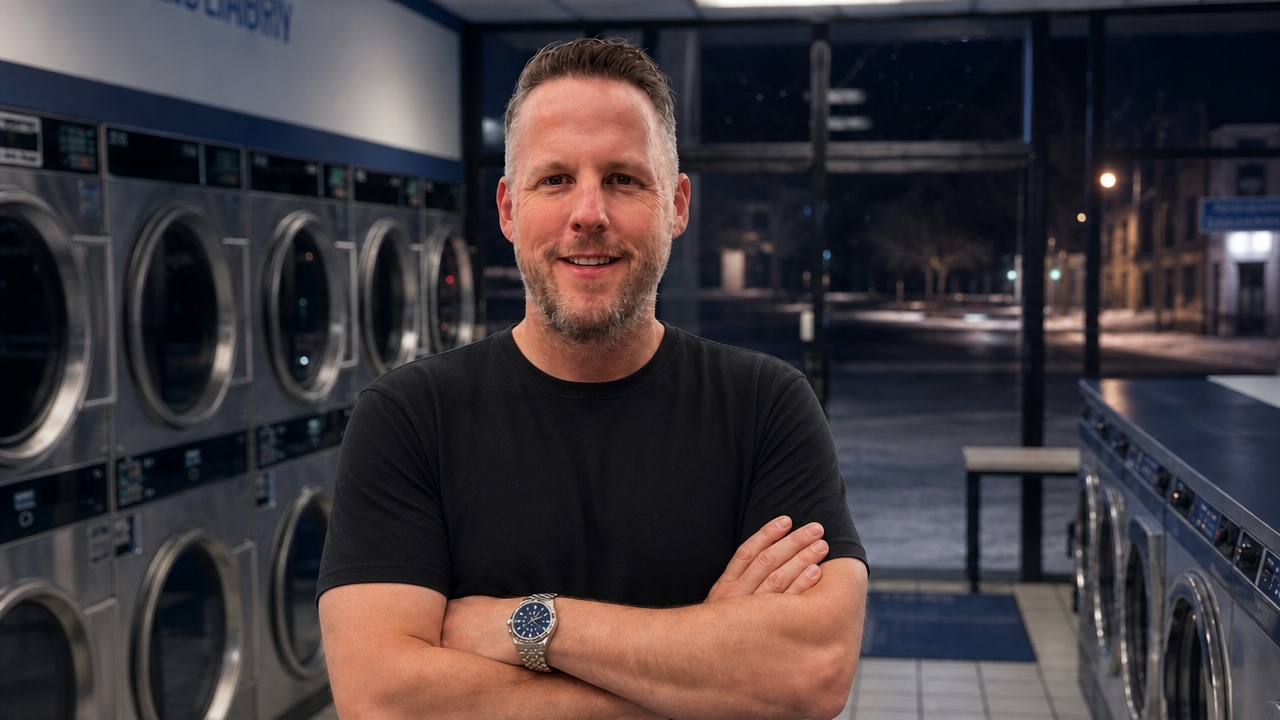
Running laundromats can be lonely, especially when you’re juggling employees, marketing, equipment, planning for new locations, and the delightful chore of hauling 5 gallon buckets of quarters around in your car. Feeling alone sometimes is normal, it is not a growth strategy.
Island truth: loneliness is a signal, not a sentence. Use it to start a practical fix, not to justify staying put.
How to tell if you’re stalled: the quick checklist
- Same revenue month after month, with costs creeping up.
- Foot traffic flat, no new local customers in 90 days.
- Repeat problems with employees, high turnover, low engagement.
- Marketing feels random: posts, coupons, then radio silence.
- You're reacting to problems; you are not planning proactively.
- Your store is doing OK, but you’re not influencing the local community or local businesses.
If most of those rang true, you’re not broken, you’re simply missing a focused plan. That’s fixable.
Step 1, run a 30-minute growth audit
Set a timer, grab the latest 90-day reports from your POS and accounting, and answer these fast:
- Revenue trend: up, flat, or down? Break it by service: self-serve, wash & fold, delivery.
- Traffic: how many unique customers vs returning customers? Look at card payments, machine usage or phone numbers if your system tracks them.
- Average ticket: is it stable? Are customers buying add-ons like premium detergents or fluff & fold?
- Labor: hours per week, cost as percent of revenue, and staff turnover in last 3 months.
- Marketing results: which channels drove customers in last 90 days? Trackable promos, QR codes, or unique landing pages make this simple.
- Equipment downtime: % of machines out of service and how fast they get fixed.
Do this audit once a quarter. It becomes the map you actually follow.
Step 2, find the bottlenecks (the usual suspects)
Operations
- Poor maintenance schedule, machines frequently down, lost revenue per outage.
- Unclear staff roles; everyone does everything, nothing gets owned.
Marketing
- No clear offer or reason for customers to try you now rather than last year.
- Messaging is generic, not local. People respond to specifics: your town, nearby employers, student discounts.
Product & Pricing
- No value: same service, same price, low perceived difference from competitors.
- No upsells: express turnaround, premium wash, pick-up zones near office parks are easy wins.
Leadership & Mindset
- You are doing everything yourself; delegation is partial or nonexistent.
- Lack of accountability systems, KPIs not tracked weekly.
Step 3, the 30/90 action plan to break stagnation
Pick one bottleneck from above. Focus. Here’s a repeatable framework:
30-day sprint: stabilize and create momentum
- Operations: Create a 30-day maintenance schedule. Fix the 3 worst machines and publish uptime goals to staff.
- Staff: Hold a 1-hour shift meeting, create role cards for every employee and start a $50 monthly “Above & Beyond” reward.
- Marketing: Launch one clear offer: for example, “48-hour express wash & fold for $X” with a QR code and a tracking link. Run it for 30 days, measure conversions.
- Customer capture: Add a simple contact capture (text or email) and send one follow-up offer to new sign-ups within 48 hours.
90-day scale: systemize the wins
- Turn successful 30-day offers into evergreen campaigns, assign weekly tasks to a staff member to own them.
- Introduce one new revenue stream that leverages existing assets: delivery route for small business laundry, contract with a local clinic, or uniform program for a local business.
- Implement a basic KPI dashboard: weekly revenue by service, visits, average ticket, NPS or simple 1-5 star satisfaction.
- Start community outreach: partner with a local shelter, sponsor a youth sports team, host a community laundry day. Influence grows when you show up consistently.
Quick wins you can do tomorrow
- Print and post a “We’re hiring, $X per hour” sign with contact info in the store and local Facebook groups.
- Create a one-click text coupon through your SMS system, send it to your last 500 customers.
- Run a “Customer of the Week” social post, tag them and local businesses they work at; it builds local word of mouth.
How to measure if the plan is working
Track three KPIs weekly for 12 weeks:
1) Visits or transactions
If traffic increases, you’re winning customers. If revenue rises without traffic, you raised price or sold more add-ons.
2) Average ticket
Monitor for changes after you introduce upsells or premium services.
3) Repeat rate
How many customers come back within 30 days. If repeat rate rises, you’re building loyalty, which costs less than new customer acquisition.
Bonus KPI: NPS or simple star rating
Customer satisfaction is a lead indicator for growth and referrals.
When loneliness becomes the real choke point
You said it… being alone on the laundromat island is a real thing. There’s a weird joy in being the person who knows every bolt and every quirks of a store, but isolation has costs: slower decisions, fear of trying new things, and no one to tell you when a plan is just bad.
Here’s the truth, blunt: growth is social. You need people who have been in the trenches, who will call out your blind spots, swap those magnificent customer horror stories, and give you both accountability and a push when you need it.
How the Innovators Lounge gets you off the island
The Innovators Lounge is where laundromat operators trade strategy not just sympathy. You get:
- Group sessions where members bring current problems and walk out with answers.
- A private community to ask the dumb question in the morning and get a real-world solution by lunch.
- Operational templates, marketing swipe files, and real case studies from stores that scaled beyond $20K months.
In short, you go from island mode to a network of people who get it. They’ll laugh at your Tesla quarter-buckets, they’ll tell you when a promo is garbage, and they’ll celebrate when your 90-day plan actually moves the needle.
Prefer to try first? Post a question in the community or sign up for a guest session and bring your top bottleneck. The best moves happen after one honest conversation.
Wrap up: stop surviving, start designing growth
Stagnation is usually a systems problem wearing a feelings mask. Run the audit, pick one bottleneck, do a 30-day sprint, then systemize at 90 days. Track three KPIs and get off your island. You built something solid; now build something that grows on purpose, and brings your community along with it.
Stay connected with news and updates!
Join our mailing list to receive our weekly blog.
Don't worry, your information will not be shared.
We hate SPAM. We will never sell your information, for any reason.